As winter settles in on January 5, 2026, the season brings shorter days, colder temperatures, and an increased risk of colds and flu. Sniffles, sore throats, and fatigue become common as viruses thrive in dry, indoor air and crowded spaces. While handwashing and rest are essential, many seek natural ways to strengthen their defenses. Acupuncture, a key practice in Classical Chinese Medicine (CCM), offers a time-tested approach to enhancing immunity during winter by balancing the body’s energy and supporting its natural protective mechanisms.
Rooted in ancient principles, acupuncture involves inserting fine needles at specific points to regulate Qi (vital energy) and harmonize Yin and Yang. In CCM, winter corresponds to the Water element, associated with the Kidneys, which store essence and govern foundational vitality. Colds often arise from “Wind-Cold” invasion when defensive Qi (Wei Qi) is weak, allowing external pathogens to enter. Acupuncture strengthens Wei Qi, promotes circulation, and modulates immune responses, helping prevent and alleviate seasonal illnesses.

This blog post explores how acupuncture supports winter immunity. We’ll cover CCM perspectives on seasonal health, scientific evidence for its immune-boosting effects, key acupoints, and practical tips. Backed by studies from reputable sources like PubMed and NIH, acupuncture provides a holistic complement to modern preventive care.
CCM Perspective on Winter and Immunity
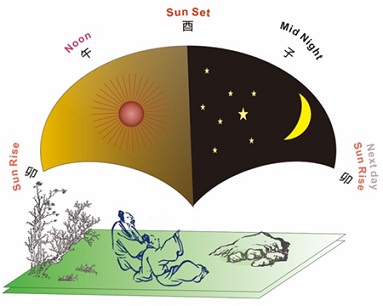
In CCM, health depends on harmony with seasonal cycles. Winter is a time of storage and conservation, linked to the Kidneys and Water element. Defensive Qi circulates on the body’s surface, acting as a shield against external pathogens like Wind-Cold, which manifests as chills, headache, and stuffy nose.
Weak Wei Qi—often from stress, poor diet, or overwork—makes one susceptible to colds. Winter’s cold and dryness can deplete Kidney Yang and Lung Qi, impairing respiratory defenses. Acupuncture restores balance by tonifying Qi, expelling pathogens, and strengthening the Lungs and Kidneys.

CCM views colds as exterior invasions rather than just viral infections. Preventive acupuncture builds resilience, while early treatment can shorten duration and reduce symptoms. Combined with practices like moxibustion (warming herbs on points) or herbal formulas such as Jade Windscreen (Yu Ping Feng San), it fortifies defenses naturally.
Scientific Evidence: Acupuncture and Immune Modulation
Modern research supports CCM’s claims, showing acupuncture influences immune function bidirectionally—enhancing it when weak and calming it when overactive.
Studies indicate acupuncture increases natural killer (NK) cell activity, boosts CD4+ T cells, and improves CD4+/CD8+ ratios, key for fighting viruses.
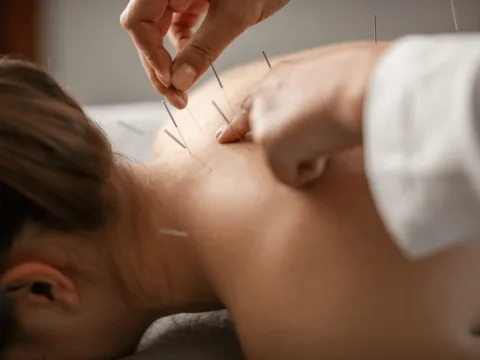
A review highlights its ability to restore Th1/Th2 and Th17/Treg balance, aiding defense against infections.
For common colds, clinical reports show manual acupuncture reduces symptom duration and severity. One case series found early treatment halved recovery time compared to later intervention. Another study demonstrated reduced cold symptoms through immune activation.
Acupuncture also exhibits anti-inflammatory effects, modulating cytokines and reducing oxidative stress, which helps mitigate cold and flu severity. Systematic reviews confirm its immunomodulatory mechanisms, including enhanced white blood cell activity and neuroendocrine pathways.
While more large-scale trials are needed, evidence from PubMed and NIH sources suggests acupuncture is safe and effective for supporting immunity, especially preventively during winter.
Key Acupoints for Boosting Winter Defenses
Acupuncture’s effectiveness lies in targeted points. Practitioners select based on individual patterns, but common immune-boosting points include:
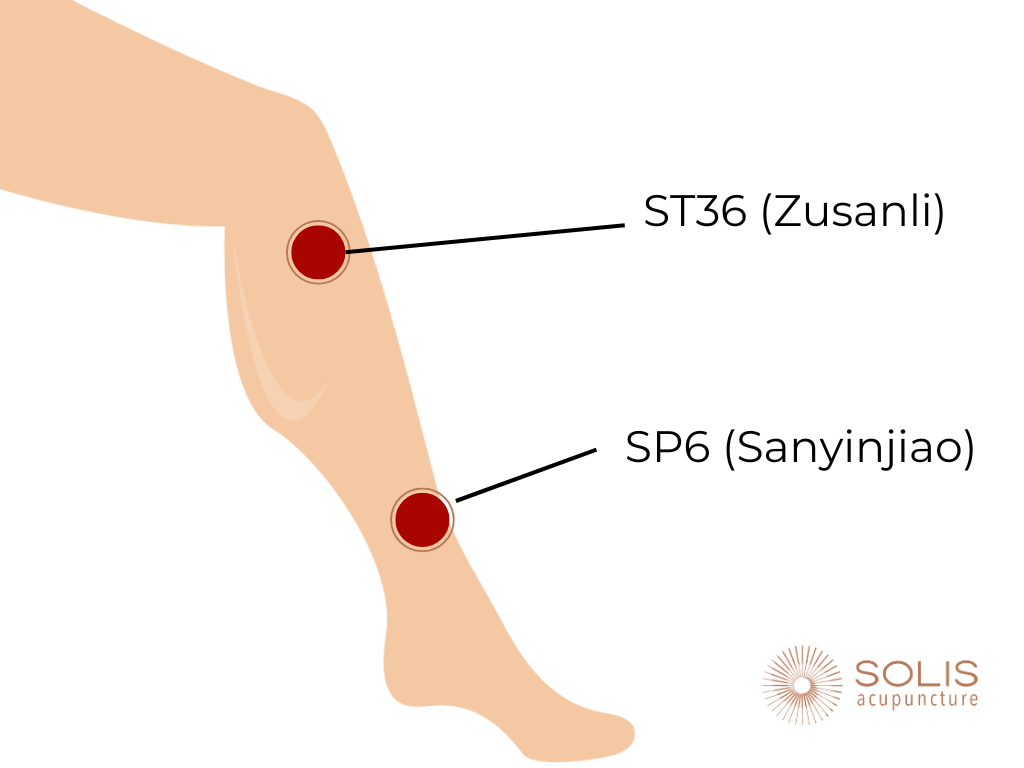
- ST36 (Zusanli): Located below the knee, this “immune point” tonifies Qi, strengthens digestion (source of postnatal Qi), and enhances Wei Qi. Stimulating ST36 increases NK cells and overall vitality—ideal for winter prevention.

- LI4 (Hegu): On the hand, it expels Wind, relieves headaches and nasal congestion, and boosts circulation.
- LU7 (Lieque): Supports Lung Qi, releases exterior pathogens, and alleviates coughs.
- GV14 (Dazhui): On the neck, it strengthens Yang and Wei Qi, often used for fever and colds.
- KI3 (Taixi): Tonifies Kidneys, building foundational essence for winter resilience.
Sessions typically last 30-60 minutes, with weekly treatments recommended for prevention during peak cold season. Many report feeling energized and less prone to illness after regular care.

Practical Tips: Integrating Acupuncture into Winter Wellness
To maximize benefits:
- Start Early: Begin treatments in late fall to build Wei Qi before viruses peak.
- Combine with Lifestyle: Eat warming foods (soups, ginger, garlic), stay hydrated, and get adequate rest to support Kidney energy.
- At First Signs: Seek acupuncture within 24-48 hours of symptoms for faster resolution.
- Complementary Therapies: Add moxibustion for warmth or herbs like astragalus under professional guidance.
- Find a Practitioner: Choose licensed acupuncturists for safe, personalized care.
Acupuncture is generally safe with minimal side effects, making it suitable for most, including children and elders.
Conclusion: Embrace Winter with Stronger Defenses
As we navigate winter 2026, acupuncture offers a proactive, natural way to boost immunity and ward off colds. By aligning with CCM’s seasonal wisdom and supported by growing scientific evidence, it empowers the body to defend itself effectively.
Whether preventing illness or easing symptoms, acupuncture promotes holistic resilience. Consult a qualified practitioner to tailor it to your needs, and pair it with healthy habits for optimal results. Sources like NIH and PubMed affirm its potential—here’s to a healthier, sniffle-free winter!


