In Classical Chinese Medicine (CCM)—the medicine of the Huangdi Neijing, Shang Han Lun, and Wen Bing traditions—immunity is not a modern concept but the natural expression of upright Qi (Zheng Qi) prevailing over pathogenic influences (Xie Qi). When Zheng Qi is abundant, wind-cold, wind-heat, summer-heat, or dampness cannot easily take root. The sages taught that most illnesses enter through the exterior (skin, nose, mouth) because the Wei Qi is weak or the body’s harmony is disrupted. Here are five profound, time-tested methods drawn directly from the classical texts to strengthen Zheng Qi and keep pathogens at bay.
1. Protect and Tonify Wei Qi with Huang Qi and Jade Windscreen
The 12th-century formula Yu Ping Feng San (“Jade Windscreen Powder”) from the Zheng Ti Lei Yao remains one of the most revered prescriptions in CCM. Combining Huang Qi (Astragalus), Bai Zhu (Atractylodes), and Fang Feng (Siler), it lifts and consolidates Wei Qi while gently expelling wind. Classical physicians prescribed it for those “who catch every cold that passes by.” Modern clinical experience confirms that taking Huang Qi-based formulas during the colder months dramatically reduces upper respiratory infections by strengthening the exterior before pathogens invade. If you would like a bottle, feel free to stop in the clinic and we can whip one up for you quickly!
2. Guard the Lungs with Warm, Pungent, and Lightly Sweet Foods
The Neijing states, “When the Lungs govern the exterior, the skin and body hair form the protective barrier.” To support Lung Qi and diffuse Wei Qi, favor foods that are warm in nature and lightly dispersing: fresh ginger, scallions, coriander, cinnamon twig, red dates, and small amounts of rice congee cooked slowly. Avoid ice-cold drinks and raw salads in autumn and winter, as they congeal Lung Qi and allow external cold to lodge. The Shang Han Lun teaches that many colds begin with “cold damaging the exterior”; warming the interior prevents this progression.
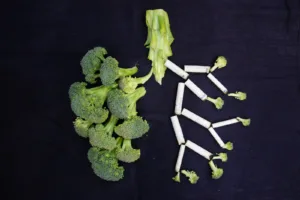
Photo by Sara Bakhshi on Unsplash
3. Regulate Daily Rhythms According to the Chinese Clock
Classical medicine is inseparable from living in harmony with heaven and earth. The Neijing advises rising with the Yang (dawn) and resting when Yin dominates (evening). Going to bed by 11 p.m. allows the Gallbladder and Liver to replenish Blood and nourish Zheng Qi overnight. Late nights consume Yin and scatter Yang, leaving Wei Qi thin and porous. Classical physicians observed that patients who corrected sleep alone often stopped their recurrent colds—proof that timing is medicine.
4. Cultivate Zheng Qi Through Gentle Movement and Breath
The Daoist physicians who shaped CCM practiced “guiding and pulling” (Daoyin) and “expelling the old, drawing in the new” breathing exercises. Modern Tai Chi and Medical Qi Gong descend directly from these traditions. Slow, intentional movement opens the chest, circulates Wei Qi through the Taiyang channels, and strengthens the Zhong Qi of the Spleen and Lungs. The classics say, “When Qi moves smoothly, pathogens have no door to enter.” Twenty minutes of mindful practice outdoors, especially in morning sunlight, is worth more than any supplement.
5. Moxibustion on Zusanli (ST-36) – The Classic’s “Longevity Point”
For over two thousand years, burning mugwort (moxa) on Zusanli has been the gold standard for tonifying Zheng Qi and preventing seasonal illness. The Tang dynasty physician Sun Simiao wrote, “If people would moxa Zusanli regularly, they could walk like a tiger even at age one hundred.” Apply indirect moxa or a moxa stick to ST-36 (just below the knee) for 10–15 minutes daily or every few days during cold season. This single point tonifies Spleen and Stomach—the root of postnatal Qi—while simultaneously raising Wei Qi to the exterior.
In Classical Chinese Medicine, prevention is not about fighting germs; it is about living in such a way that Zheng Qi naturally flourishes. When upright Qi is strong and the body is in harmony with the seasons, pathogenic Qi finds no foothold. Adopt even two or three of these classical practices consistently, and you will feel the difference this winter—and for many winters to come.
If you have any questions, feel free to contact us at 414-332-8888 or through the contact page.


