As the new year dawns on January 1, 2026, many of us reflect on the past and set intentions for the future. Common resolutions—improving fitness, managing stress, or enhancing well-being—often fade quickly in our modern, fast-paced lives. Classical Chinese Medicine (CCM) offers a profound alternative. Rooted in ancient texts like the Huangdi Neijing (Yellow Emperor’s Inner Classic), CCM views health as harmonious interplay between body, mind, spirit, and the natural world. It emphasizes living in alignment with cosmic rhythms, preventive care, and deep spiritual integration, drawing from pre-modern traditions that prioritize the multifaceted essence of human vitality.
Unlike standardized modern approaches, CCM preserves the classical roots of Chinese healing, integrating philosophy, cosmology, and spirituality. Core practices include acupuncture, herbal medicine based on lineage formulas, dietary therapy attuned to seasons, and exercises like Tai Chi and Qigong to cultivate Qi (vital energy). CCM balances Yin and Yang, harmonizes the Five Elements (Wood, Fire, Earth, Metal, Water), and nurtures the Shen (spirit) for true holistic health.
This blog post explores applying CCM principles to New Year’s resolutions for 2026. We’ll cover foundational concepts, align common goals with classical wisdom, and offer practical intentions supported by reputable sources. Embracing CCM transforms resolutions into sustainable paths of harmony and renewal.
Understanding CCM Basics for Holistic Health
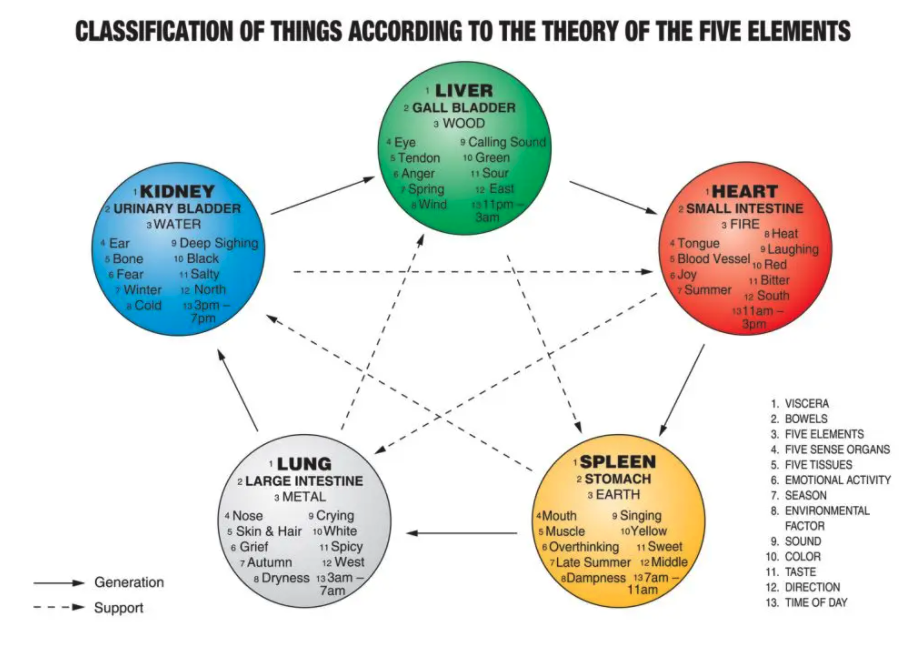
CCM’s foundations lie in ancient classics, viewing the body as a microcosm of the universe. Qi flows through meridians, animating life; imbalances cause disharmony. Yin (cooling, inward, restorative) and Yang (warming, outward, active) must dance in equilibrium. The Five Elements theory describes dynamic cycles—generation and control—linking organs, emotions, seasons, and environments.
Winter corresponds to the Water element, governing the Kidneys, fear, and storage of essence (Jing). It’s a time for introspection and conservation, perfectly suiting New Year’s reflection. Classical texts advise nourishing Kidney Qi in winter with rest and warming practices to build reserves for spring’s Wood element growth.
CCM deeply integrates spirituality, seeing health as alignment with Dao (the Way). Emotions tie to elements: anger to Liver (Wood), joy to Heart (Fire). Cultivating Shen through meditation calms the mind and fosters resilience.
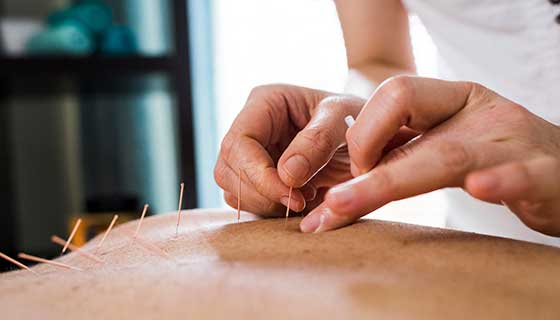
Acupuncture in CCM stimulates points to regulate Qi flow, drawing from classical meridian theory. Herbal medicine uses lineage-based formulas from texts like Shanghan Lun. Dietary therapy emphasizes seasonal, elemental foods. Tai Chi and Qigong harmonize movement with breath, embodying Yin-Yang balance.
These principles promote preventive “nourishing life” (yangsheng), encouraging harmony with nature’s cycles for enduring vitality.
Aligning Resolutions with CCM Principles
CCM reframes resolutions by assessing individual constitution and seasonal energies. Begin with self-reflection: Do you exhibit Water deficiency (fatigue, fear) or Wood stagnation (frustration, tension)?
For weight or digestion goals, CCM focuses on Earth element and Spleen Qi transformation. Choose seasonal, warming foods like root vegetables and porridges in winter to gently nourish without depletion. Classical dietary therapy tailors to elemental balances.
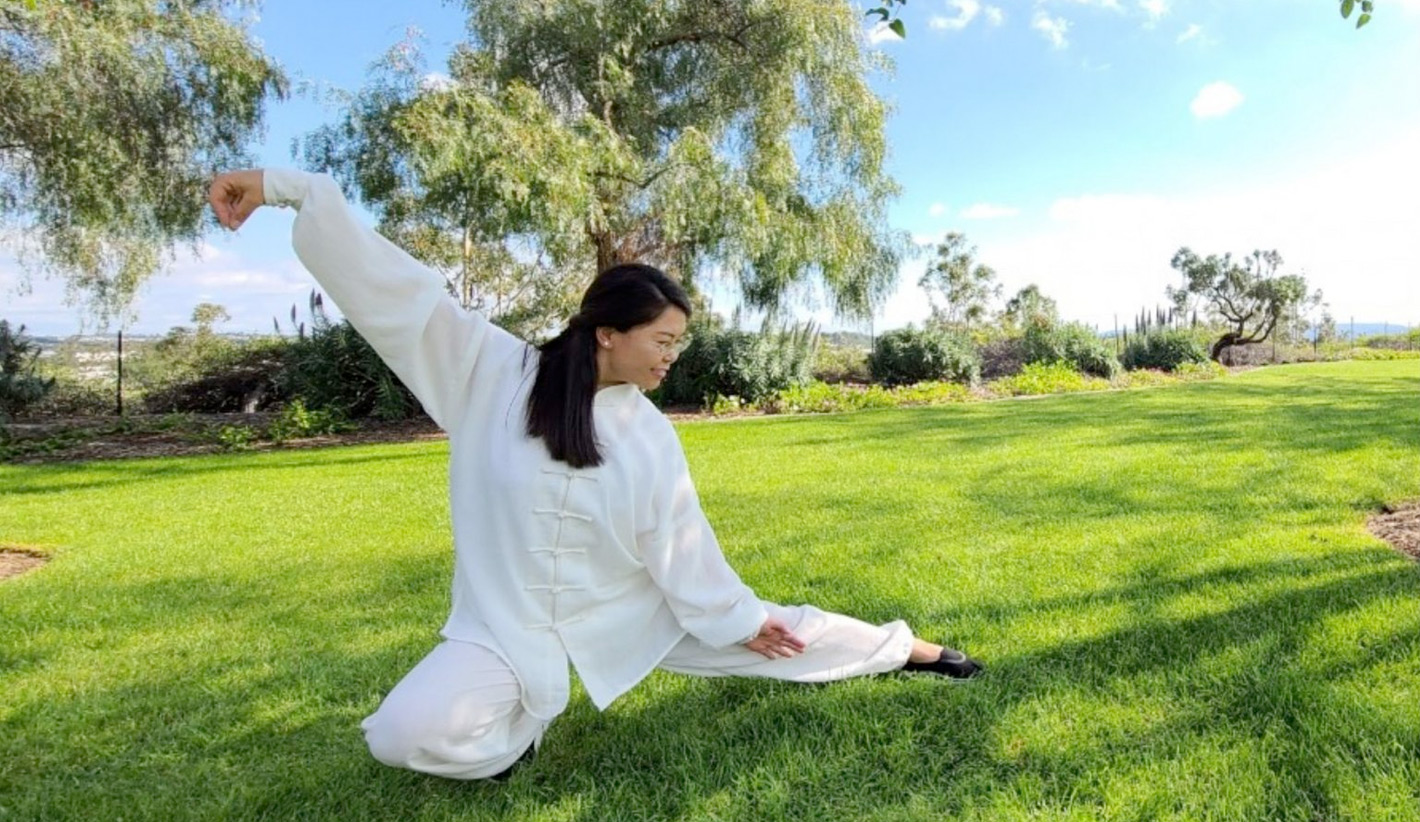
Exercise aligns with gentle flow: Tai Chi embodies CCM’s moving meditation, balancing Yin-Yang while strengthening Qi. It’s ideal for building resilience without exhaustion.
Emotional health resolutions address elemental emotions. Liver Qi stagnation (Wood) may manifest as stress; classical approaches use acupuncture and herbs to soothe Liver and foster smooth flow.
Detoxification in CCM is gentle and seasonal—winter focuses on storage, not aggressive cleansing. Support Kidney and Liver with warming herbs and rest.
Sleep and rest are paramount in winter’s Water phase, preserving Jing essence. Early nights and quiet reflection recharge for the year ahead.
CCM’s individualized, root-focused approach—treating patterns rather than symptoms—ensures resolutions endure.

Specific CCM-Inspired Resolutions for 2026
Translate classical wisdom into actionable intentions attuned to 2026’s winter start:
- Nourish with Seasonal and Elemental Foods: Commit to winter-appropriate meals—black beans, walnuts, bone broths—to tonify Kidney Water. Journal responses to foods, aiming for harmony across elements.
- Regular Acupuncture for Qi Harmony: Schedule sessions rooted in classical meridian theory to balance energies and support intentions, from pain relief to emotional clarity.
- Daily Tai Chi or Qigong Practice: Dedicate 20 minutes to flowing movements, cultivating Qi and embodying Yin-Yang unity. This meditative exercise enhances vitality and mindfulness.
- Cultivate Shen Through Reflection: Practice meditation or journaling to harmonize emotions with elements, releasing stagnation (e.g., Wood anger) for spiritual clarity.
- Embrace Winter Rest and Storage: Prioritize early sleep, quiet evenings, and introspection to preserve Jing, building foundation for spring renewal.
Track progress classically: Note Qi levels, dreams, and elemental shifts. Use herbs from reputable lineage sources under expert supervision.
Conclusion: A Year of Harmonious Intentions
New Year’s resolutions through Classical Chinese Medicine become profound commitments to living in rhythm with the Dao. By honoring Yin-Yang, Five Elements, and seasonal cycles, we foster deep, spiritual holistic health. CCM reminds us: True wellness emerges from alignment, not force.
In 2026, approach intentions with patience and reverence for ancient wisdom. Seek practitioners trained in classical traditions for authentic guidance. Resources from dedicated CCM scholars affirm this path’s timeless efficacy. May your year unfold in balance, vitality, and profound harmony.


